Page 73 - BWConfidential24
P. 73
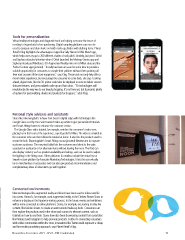
Tools for personalization Virtual reality technologies and diagnostic tools are helping overcome the issues of needing to try products before purchasing. Digital sampling platforms can even be used to compare and share looks or match make-up shades with clothing items. Planet Retail’s Klug highlights the advantages of apps like Sally Hansen’s Mini Match app, which helps users try up to 200 different shades of nail polish. Similarly, last year L’Oréal and Sephora attracted attention when L’Oréal launched the Makeup Genius app and Sephora introduced Modiface’s 3D Augmented Reality mirror in its Milan store and the Pocket Contour app (pictured). “It really has been an issue for some time to provide a suitable opportunity for consumers to sample their polishes without them painting all their nails or paint all the store equipment,” says Klug. These tools not only help offer a more holistic experience, but encourage the consumer to come back, she says. Looking ahead, digital tools, like the 3D printer could also be deployed in-store to deliver custom skincare textures, and personalized make-up and hair colors. “3D technologies will revolutionize the way we do our beauty shopping. It’s not here yet, but it presents plenty of options for personalizing shades and products for shoppers,” adds Klug. Personal style advisors and assistants Stores like Bloomingdale’s in New York boast a digital edge with technologies like Google Glass used by Yves Saint Laurent make-up artists to give personalized tutorials and Smart Fitting Rooms to enhance the customer service. The Google Glass video tutorial, for example, enriches the consumer’s make-over, placing her in the heart of the experience, says Razorfsh’s Milan. The video is emailed to the consumer who can then follow the tutorial at home. It also lists the products used to create the look. Bloomingdale’s Smart Fitting rooms (pictured) likewise aim to improve customer assistance. The mounted tablet lets the customer send alerts to the sales associate for assistance or for alternate items without leaving the room. The iPad can also display content, such as product availability and ratings, and can be used to adjust the lighting in the ftting room. Other platforms for retailers include the virtual try-on Swivel in-store platform by Facecake Marketing Technologies. It lets the user virtually try on merchandise or accessories and can also give product recommendations and complementary ideas of what items go well together. Connected environments New technologies like augmented reality and kinect have been used to infuse new life into stores. Harrod’s, for example, used augmented reality at the Chelsea Flower Show to enhance a display on the fragrance-making process. In the future, events and exhibitions will be more connected to online platforms. Stores, for example, are starting to relay live content, like fashion shows, to create an event around make-up looks. Consumers can then explore the products used in the show and connect to relevant content, such as tutorials on how to use them. Stores have also been showcasing content from social sites like Pinterest and Instagram to help promote products. Further to connecting consumers with online communities within the store, innovations like Twitter walls represent a cheap and far-reaching marketing approach, says Planet Retail’s Klug. November-December 2015 - N°24 - BW Confidential 71