Page 130 - BWConfidential24
P. 130
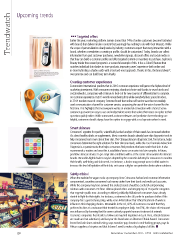
Trendwatch Upcoming trends Earlier this year, marketing platform Janrain shared that 74% of online customers become frustrated Targeted offers n n n with brands that deliver random content that seemingly has nothing to do with their interests. While the scope of personalization clearly varies by industry, customers expect that every interaction with a brand, whether a newsletter or creating a profle, should be customized. Today, brands can collect information from past customer purchases, newsletter signups, discount offers and social media so that they can build a customer profle and offer targeted content or incentives to purchase. Sephora’s Beauty Insider free reward program is a successful example of this. It has a ColorIQ feature that matches individual skin shades to store products, improving users’ experience both online and in-store by fnding a shade match with a trial-and-error approach. Thanks to this, the brand doesn’t over-promise and can build long-term loyalty. Creating customer experiences Euromonitor International predicts that in 2016 customer experience will garner the highest level of marketing investment. With consumers enjoying abundant choice and thanks to search tools and social networks, companies will continue to look out for new sources of differentiation to compete on customer experience. But it’s worth remembering that while everybody likes special touches, in 2014 market-research company Forrester found that online self-service was the most widely used communication channel for customer service, surpassing the use of the voice channel for the frst time. This highlights that not everyone wants an emotional connection with a brand. Some customers just want an easy-to-use and independent service that solves their issues or replies to their questions quickly online. While automated assistant software and predictive chat technology are helpful, customers should always have the option to engage with a real operator when in need. Smart skincare Consumers’ appetite for specifc, scientifcally backed analysis of their needs has increased whether it’s about healthy drinks or supplements. Most cosmetics brands already have skin diagnostic tools to help consumers learn more about their skin. The Clinique skincare diagnostic tool, for instance, helps consumers determine the right solutions for their skincare needs, while the Eau Thermale Avène Skin Diagnosis is a questionnaire that helps consumers fnd products that best match their skin. It also recommends a routine and once this is established users can receive trial-size samples. In future, predictive skincare devices to pre-empt skin conditions will be at the center of innovation for skincare brands. Wearable digital devices may be adopted by the cosmetics industry for consumers to monitor their health, well-being and skin needs. For instance, a device may prompt users to drink water to increase the level of hydration of their skin, or to wear a higher sun protection factor when outdoors. Subtly ethical When the website for vegan make-up company Lime Crime was hacked and customer information compromised, countless consumers had money stolen from their bank and credit card accounts. While the company may have survived this ordeal, brands should be careful of compromising relations with consumers. PR frm Edelman placed ethics and integrity top of 16 specifc categories that engender public trust. According to Mintel, politically disillusioned consumers have already started to fght for their rights. For instance, customers in the UK prefer to purchase clothes if the company has a good returns policy, while some 44% believe that ethical treatment of workers infuences their shopping choices. Meanwhile in the US, 82% of customers revealed that they preferred to dine at a restaurant that treated its employees fairly. For 63%, the choice of restaurant was infuenced by knowing that the owner actively supports humane treatment of animals. Cosmetics companies that decide to follow suit may fnd inspiration in Lush. Here, ethical decisions are made and not advertised, and last year the brand won an Observer Ethical Award. Consumers know that Lush shuns animal testing, caps executive pay, donates to anti-fracking groups, pays its African suppliers a fair price and that it doesn’t need to make a big display of all this. n 128 November-December 2015 - N°24 - BW Confidential